
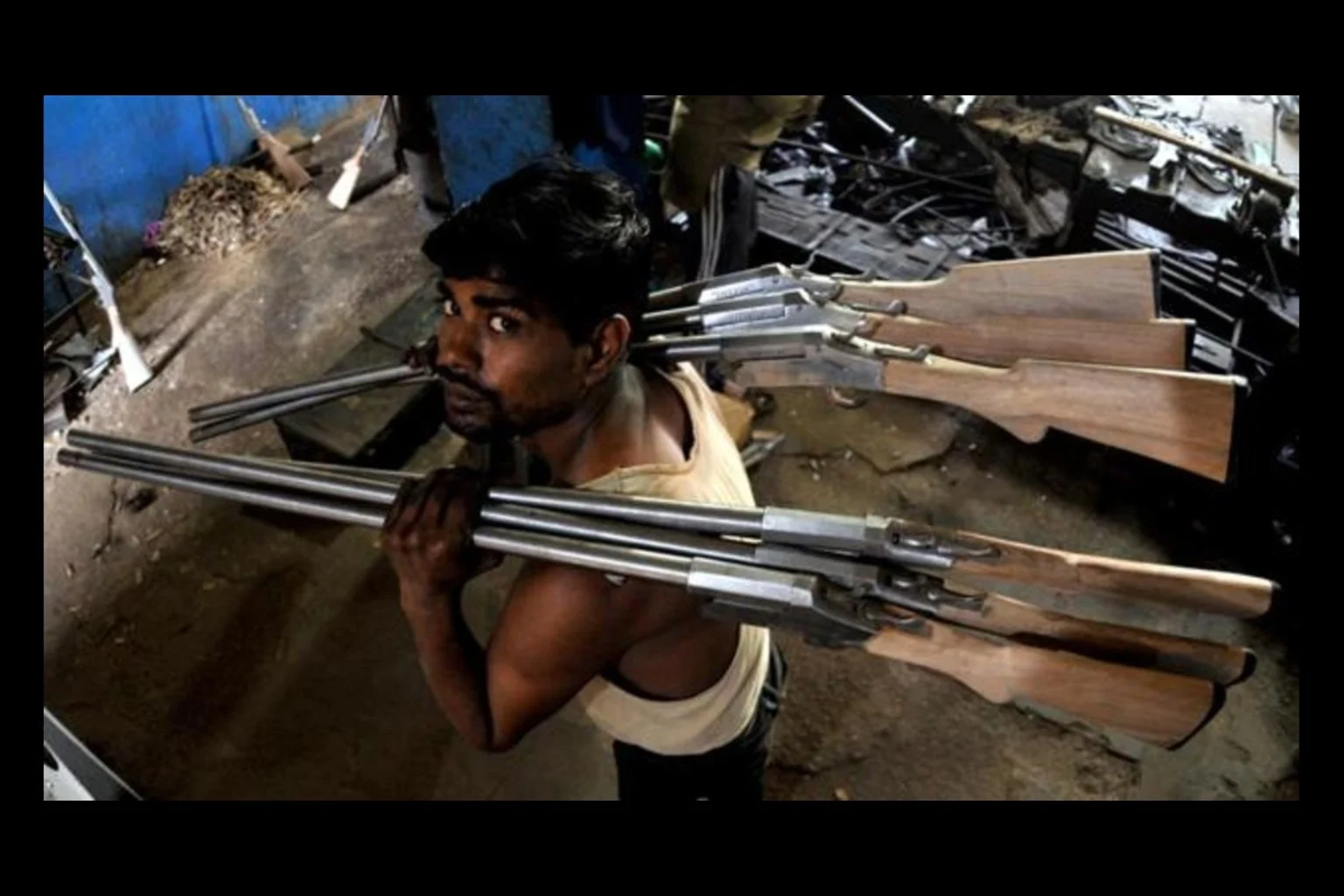
Quality in firearm manufacturing is not determined by a final inspection alone. It is built into the entire manufacturing process, from material selection and engineering to precision production, assembly, testing and quality assurance.
For firearm manufacturing in India, maintaining consistent standards is particularly important because manufacturers operate within a regulated industry where production and proof-testing requirements are governed by applicable firearms laws and rules.
Signet Arms combines more than 60 years of experience in the firearms business through its long-running affiliate, Rajput Gun Service, with modern, automated manufacturing under the Signet name. The company operates from Rewa, Madhya Pradesh, where it focuses on the domestic manufacture of firearms.
Why Quality Matters in Firearm Manufacturing
A firearm consists of multiple components that need to function together as an engineered system. Consistency in materials, dimensions, manufacturing and assembly is therefore an important part of production quality.
For firearm manufacturers in India, quality involves much more than the appearance of a finished product. It can include:
- Material selection and consistency
- Precision manufacturing
- Dimensional control
- Component inspection
- Assembly quality
- Surface finishing
- Testing and validation
- Quality assurance
- Regulatory compliance
The Arms Rules, 2016 also establish requirements concerning licensed firearm manufacturers and proof testing of manufactured firearms before sale.
The Role of Materials in Firearm Manufacturing
Material selection is one of the foundations of the firearm manufacturing process.
Different firearm components have different engineering requirements. Materials therefore need to be selected according to their intended application and the manufacturing specifications for each component.
Consistent material quality can influence characteristics such as:
- Strength
- Durability
- Wear resistance
- Dimensional stability
- Surface finish
- Manufacturing consistency
For this reason, material management is an important part of maintaining consistent manufacturing standards.
Precision in Firearm Manufacturing
Precision is another important element of firearm manufacturing quality.
Because multiple components need to work together, manufacturers require controlled production processes that allow components to be produced consistently according to their engineering specifications.
Modern manufacturing technologies can help improve repeatability by allowing production processes to operate within defined parameters.
For gun manufacturing in India, the combination of engineering expertise and modern production technology can help manufacturers develop more consistent manufacturing processes.
The Importance of Automated Manufacturing
Automation is increasingly important in modern manufacturing because it can improve repeatability and process consistency.
Signet Arms states that its Rewa facility uses fully automated production lines and rigorous quality assurance, with quality control extending from the forged frame through to the final Cerakote finish.
Automation, however, is only one part of a broader quality system. Manufacturing technology needs to work alongside engineering expertise, inspection and applicable testing requirements.
Quality Control Throughout the Manufacturing Process
Effective firearm quality control should not be limited to the final stage of production.
Quality can be addressed throughout the manufacturing process, including material control, component production, assembly and final inspection.
Material and Production Controls
The manufacturing process begins with controlled production inputs and defined specifications.
Maintaining consistency at this stage helps create a reliable foundation for subsequent manufacturing operations.
Component Inspection
Individual components can be checked against their required specifications during production.
Consistent component manufacturing is important because the finished firearm is ultimately an integrated system of multiple parts.
Assembly Checks
After components are produced, assembly provides another stage where manufacturing consistency can be assessed.
Proper process controls help manufacturers identify inconsistencies before a completed product moves to subsequent inspection and testing stages.
Final Quality Assurance
Final inspection provides an overall assessment of the finished product against the applicable manufacturing requirements.
This is an important final checkpoint, but it works best as part of a broader quality-management process rather than as the only quality check.
Proof Testing and Firearm Manufacturing in India
Firearm manufacturing in India operates within a specific regulatory framework.
The Arms Rules, 2016 contain provisions concerning licensed manufacturers and proof testing. Manufactured firearms are subject to the applicable proof-testing requirements, and the rules provide that firearms manufactured by a licensed manufacturer cannot be sold without being duly proof tested.
This makes proof testing an important part of the regulatory and quality framework surrounding firearm manufacturing in India.
Manufacturers therefore have to consider both their internal quality processes and the applicable statutory requirements.
Why Surface Finishing Matters
Manufacturing quality is not limited to the production of internal components.
Surface finishing also contributes to the overall characteristics and presentation of a finished firearm.
A controlled finishing process can contribute to:
- Consistent appearance
- Surface protection
- Corrosion resistance
- Product durability
- Overall finish quality
Signet Arms describes its manufacturing process as extending from the forged frame through to the final Cerakote finish, highlighting finishing as part of its overall production process.
The Role of Engineering Experience
Modern machinery can improve manufacturing consistency, but technology alone does not determine product quality.
Engineering knowledge and industry experience remain important parts of the manufacturing process.
Signet Arms states that its team brings more than six decades of experience in the firearms trade, including knowledge of firearm design, production and performance validation.
The company combines this experience through its affiliate Rajput Gun Service with modern, automated manufacturing under the Signet name.
This combination of established industry knowledge and modern production technology forms an important part of Signet Arms’ manufacturing approach.
What Should You Look for in a Firearm Manufacturer?
When researching firearm manufacturers in India, it can be useful to look beyond individual products and consider the manufacturer’s broader production capabilities.
Manufacturing Infrastructure
A dedicated manufacturing facility can give a manufacturer greater control over production processes, machinery and quality systems.
Signet Arms operates its manufacturing facility near Rewa, Madhya Pradesh, which the company says was purpose-built for firearm manufacturing.
Production Technology
Modern production technologies can support greater repeatability and consistency across manufacturing operations.
Signet Arms highlights fully automated production lines as part of its manufacturing infrastructure.
Quality Assurance
A defined quality-assurance system helps manufacturers monitor production at multiple stages rather than relying only on final inspection.
Engineering Expertise
Experience in firearm design, production and performance validation can provide important technical knowledge throughout the manufacturing process.
Regulatory Compliance
Firearm manufacturers must operate within India’s applicable firearms laws and rules, including requirements relating to manufacturing and proof testing.
The Role of Technology in Indian Firearm Manufacturing
The development of modern manufacturing technology is changing how products are designed and produced across industries.
The same principle applies to firearm manufacturing in India.
Automated production lines and modern manufacturing systems can help manufacturers establish controlled and repeatable production environments.
However, technology should be viewed as part of a larger manufacturing system that includes:
Engineering + Materials + Manufacturing + Inspection + Testing + Quality Assurance
Each element contributes to the consistency of the finished product.
Why Quality Is More Than Final Inspection
One of the most important principles in modern manufacturing is that quality should be considered throughout production.
A simplified manufacturing-quality cycle can be understood as:
Material selection → Precision manufacturing → Component inspection → Assembly → Testing → Final quality assurance
Each stage provides an opportunity to maintain consistency and identify potential issues.
This approach is fundamentally different from producing a product first and checking it only at the end.
Signet Arms’ Manufacturing Approach
Signet Arms positions its manufacturing around a combination of established firearms experience and modern production capabilities.
The company says it is built on more than 60 years of experience in the firearms business through its long-running affiliate, Rajput Gun Service, combined with modern, automated manufacturing under the Signet name.
Its Rewa facility uses fully automated production lines and rigorous quality assurance, with the company describing its manufacturing process as extending from forged frames through to final Cerakote finishing.
Signet Arms also describes its portfolio as including pistols, revolvers and a growing range of 12-gauge shotguns, positioning its products around strength, accuracy and dependability.
Frequently Asked Questions
What is firearm manufacturing?
Firearm manufacturing is the controlled process of producing firearms and their components according to defined engineering specifications and applicable legal requirements.
Why is quality control important in firearm manufacturing?
Quality control helps maintain consistency in materials, components, manufacturing processes, assembly and applicable testing. It is an important part of producing products that meet defined manufacturing and regulatory requirements.
Why are materials important in firearm manufacturing?
Materials need to be appropriate for the intended component and manufacturing requirements. Consistent material quality can contribute to manufacturing consistency, durability and dimensional stability.
What is firearm quality control?
Firearm quality control refers to the processes used to monitor and verify manufacturing quality throughout production, including applicable inspections, testing and final quality checks.
Are firearms manufactured in India?
Yes. India has a domestic firearm manufacturing industry operating under the country’s firearms regulatory framework. Signet Arms is one company manufacturing firearms in India, with its facility located near Rewa, Madhya Pradesh.
What is proof testing?
Proof testing is a regulated testing process applied to firearms under India’s applicable firearms rules. The Arms Rules establish requirements concerning proof testing of manufactured firearms before sale.
How does automation affect firearm manufacturing?
Automated manufacturing can help improve repeatability and consistency by allowing production processes to operate according to defined parameters. It works alongside engineering expertise, inspection and quality assurance.
Where does Signet Arms manufacture its firearms?
Signet Arms states that its manufacturing facility is located near Rewa, Madhya Pradesh. The company describes the facility as purpose-built for firearm manufacturing and says it uses fully automated production lines.
Final Thoughts
Quality in firearm manufacturing is the result of multiple processes working together. Material selection, precision engineering, modern manufacturing technology, inspection, testing and quality assurance all contribute to the finished product.
For firearm manufacturing in India, these processes also operate within a regulated environment that establishes specific requirements for licensed manufacturers and proof testing.
Signet Arms combines its more than six decades of firearms-business experience through Rajput Gun Service with modern, automated manufacturing under the Signet name. Its Rewa facility and stated focus on automated production and rigorous quality assurance reflect the company’s approach to modern firearm manufacturing in India.
As domestic manufacturing capabilities continue to evolve, maintaining consistent engineering, production quality and regulatory compliance will remain important to building a strong Indian firearm manufacturing industry.